Women’s Well Exam

Women’s Well Exam near Pleasanton : Paps Smear
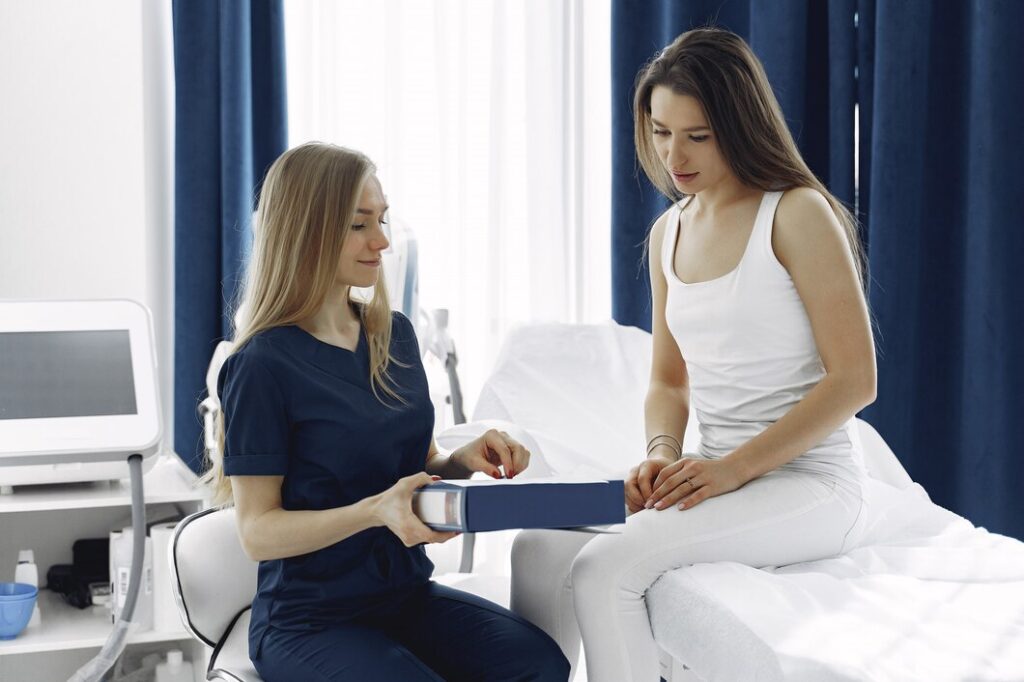
A Women’s Well Exam near Pleasanton is a foundational step in proactive healthcare, designed to monitor your reproductive health and overall wellness. A key component of this visit is the Pap Smear Screening, a simple yet vital test used to detect early changes in cervical cells.
Pap test, also called a Pap smear, is a routine screening test for early diagnosis of cervical cancer. Dr.Garg has been doing routine paps smear on all her female patients since past 12+ years .
Who Should Get a Women’s Well Exam?
A Women’s Well Exam Pleasanton is recommended for women of all ages, including:
- Teenagers (for reproductive health education)
- Women in their reproductive years
- Pregnant and postpartum women (as advised)
- Women above 40 for preventive screenings
Regular check-ups help ensure lifelong health monitoring and early intervention when needed.
What Happens During a Women’s Well Exam ?
During a Women’s Well Exam, your doctor may perform important screenings such as a Pap smear or HPV test to check your cervical health. These tests are essential for early detection of abnormalities and maintaining long-term wellness.
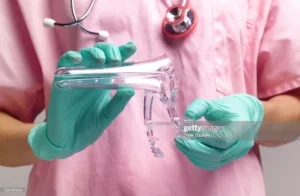
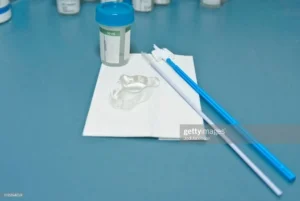
As part of the Women’s Well Exam in Pleasanton, the doctor will gently collect cells from the surface of your cervix. To do this, a medical instrument called a speculum is carefully inserted into the vagina to allow a clear view of the cervix. Then, a small soft brush or spatula is used to collect a sample of cervical cells.
This procedure is usually quick and may feel slightly uncomfortable, but it is generally not painful. Regular screening during a Women’s Well Exam plays a key role in preventing serious health conditions through early detection.
When Should Cervical Cancer Screening Begin?
A Women’s Well Exam for cervical cancer screening usually begins at age 21. Pap tests are recommended from this age, regardless of sexual activity. Screening is generally not needed before 21. Regular Women’s Well Exam in Pleasanton help ensure early detection and better long-term health.
You should start getting Pap tests at the recommended age, whether or not you have ever been sexually active. Also, you do not need to start cervical cancer screening before age 21, even if you became sexually active at a younger age.
Getting Ready for a Women’s Well Exam
Preparing for a Women’s Well Exam is simple and usually requires no special steps. You can continue your normal routine, as Pap smear and HPV tests remain effective even if you’ve had recent sexual activity.
However, your doctor may recommend scheduling your Women’s Well Exam when you are not on your period for more accurate results. Following basic guidance helps ensure a smooth and comfortable screening experience.
How often should I be screened for cervical cancer?
- That depends on how old you are and what the results of your past Pap tests have been.
- If you are age 21 to 29, you should have a Pap test every 3 years
- If you are age 30 or older, you can have a Pap test every 3 years. The other options are having an HPV test every 5 years or a combination Pap and HPV test every 5 years.
- If you are age 65 or older, you can stop having Pap tests if:
- You had Pap tests done regularly until you turned 65.
- You had 3 normal Pap tests in a row, or 2 normal combination Pap and HPV tests over the past 10 years (with the most recent test within the past 5 years)
Do I need to be screened for cervical cancer if I had a hysterectomy?
- Your cervix was removed along with your uterus, and
- You did not have cervical cancer or precancer (sometimes called “dysplasia”)
Do I need to get screening tests if I had the HPV vaccine?
What if I have an abnormal Paps Smear test result?
- An HPV test – If you haven’t already had an HPV test, your doctor might order one
- Another Pap test in 12 months – Sometimes, if you wait a year and have another Pap test, you could find that the abnormal cells are back to normal. You might also have an HPV test at the same time.
- A colposcopy – For this test, the doctor or nurse will use a speculum to look at your cervix, just like during a Pap test. But they will look more closely using a device that looks like a microscope. It allows the doctor or nurse to see the cervix in more detail. During this test, the doctor or nurse might also take tiny samples of tissue from the cervix. This is called a “biopsy.” Tissue from the biopsy can go to the lab and be checked for anything abnormal.